What We Do
I. Trade Dynamics in Conflict Economies
Captagon Production and Trade Analysis (Syria and Regional Markets)
For the World Bank, Tahaleel produced the first known and full cost breakdown of Captagon produced and sold in Syria and key regional markets. Select findings were published in the World Bank’s Syria Economic Monitor (Spring 2024).
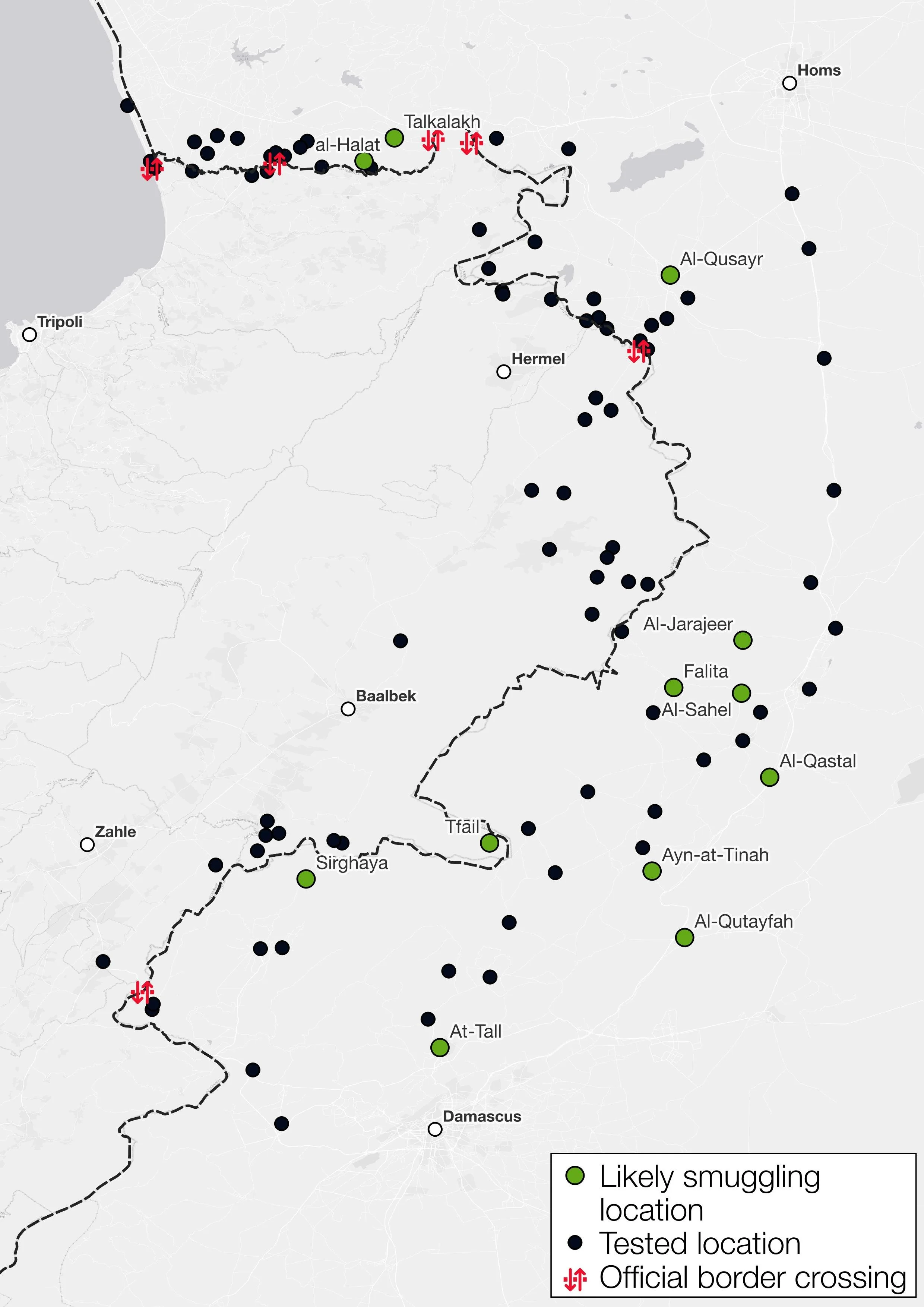
Modelling Cross-Border Smuggling Between Lebanon and Syria
For the World Bank, Tahaleel utilised and built different data sets to assess cross-border trade, and specifically suspected spikes in fuel smuggling across the shared border. Tahaleel deployed import, price, and night light reflectance analysis (NLR) to measure cross border activity over different time periods.
As part of this work, Tahaleel also developed a quantitative model to estimate Lebanon’s diesel consumption, integrating data on imports, generator demand, sectoral usage, and seasonal variation. The model revealed significant discrepancies between import volumes and estimated domestic consumption.
Our team combined these data sets and tools to determine that surplus volumes of fuel originally imported to Lebanon were being smuggled to Syria in 2020-2021, exploiting Lebanese fuel subsidies. Select findings were published in the World Bank’s Syria Economic Monitor (Winter 2022/2023).
Economics and Functionality of Fuel Supply Chains During Conflict
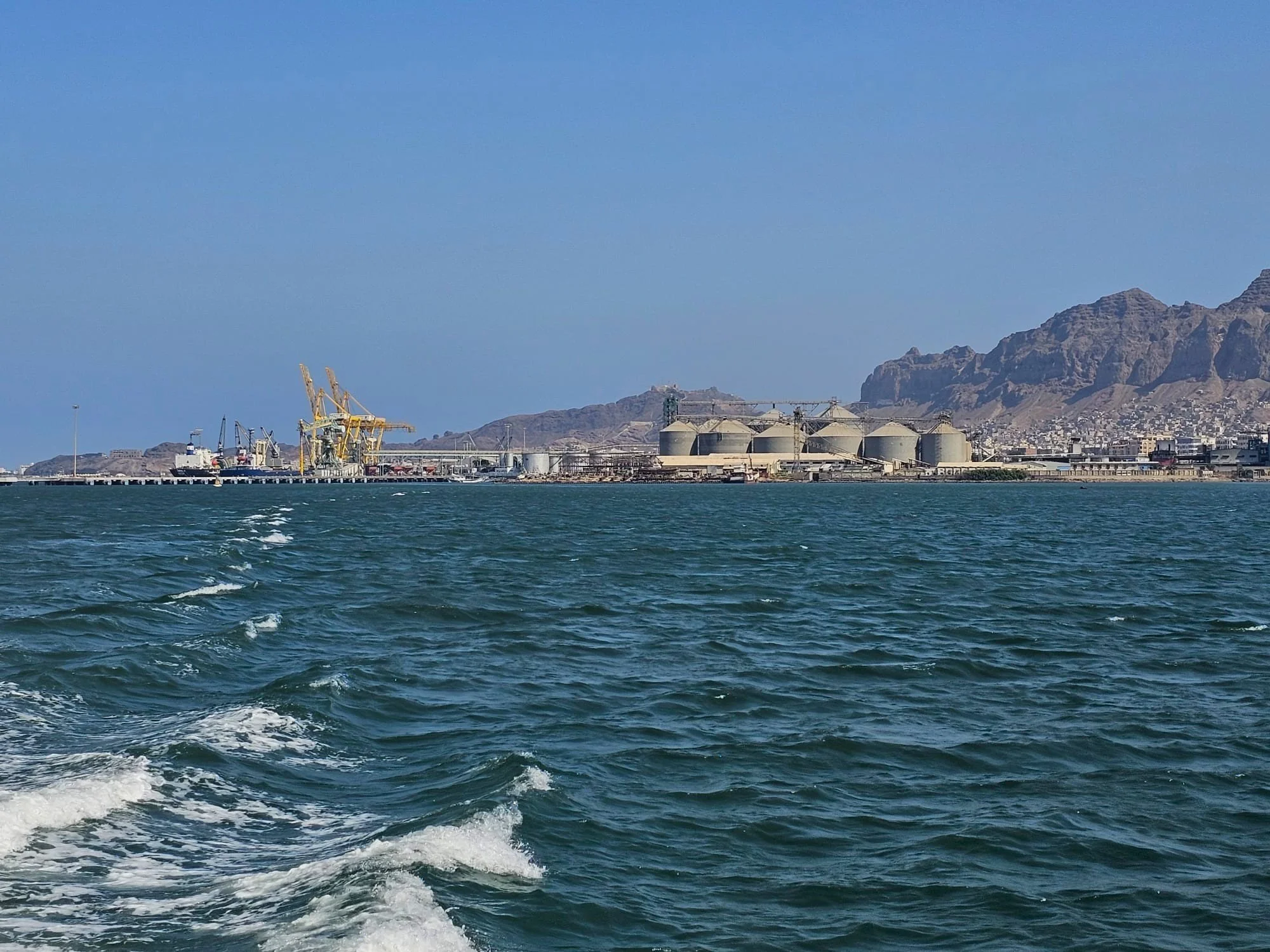
For several international organisations, Tahaleel has mapped, deconstructed, and quantified the cost drivers, transportation routes, and price fluctuations for different locally produced and imported oil derivatives sold across both Syria and Yemen. As a result, Tahaleel built rigorous data sets that helped explain fuel price differences present across what were at the time deeply fragmented countries divided by different areas of control.
Tahaleel was the first to piece together different import, geosatelite imagery, and trader insights that pinpointed the driving forces behind the fuel crises witnessed in northern Yemen in 2021 and early 2022.
II. Supply Chains, Market Systems, and Economic Access
Fuel, Food, and Financial Systems (Yemen)
Tahaleel contributed to one of the most comprehensive assessments of Yemen’s fuel supply chains and an updated assessment of the country’s essential imported food supply chains. The work mapped how market structures shape access and affordability across the country. Tahaleel also contributed to detailed analysis of Yemen’s bulk wheat supply chain against the backdrop of the Russia-Ukraine war; in addition to Yemen’s remittance ecosystem, documenting how foreign remittances to Yemen shifted following the outbreak of the COVID-19 pandemic. These insights informed humanitarian programming, donor strategies, and financial-sector engagement on Yemen.
III. Food Security
Reducing Food Insecurity Through a Cost-Driver Monitoring Tool (Yemen)
Tahaleel made significant contributions to the development of a cost-driver monitoring tool that mapped the import process for bulk wheat and diesel from port of loading to point of sale. The tool identified and quantified the cost drivers that shape local wheat and diesel prices in Yemen. The tool supported high-level policy and diplomatic efforts to lower war risk insurance costs to Yemen, and as a result, reduce consumer prices and food insecurity. The cost-driver monitoring tool was later further refined, published and hosted by ACAPS on its Yemen Economic Tracking Initiative (YETI) platform.